· 5 min read
What Is Hydroponics, and Why Does It Use So Much Less Water?
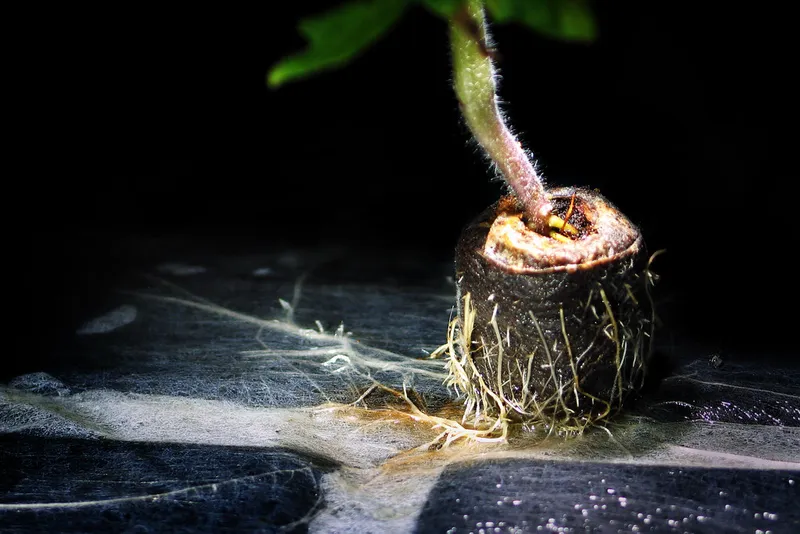
In a conventional field, most irrigation water never reaches the plant — it evaporates from open soil or drains past the root zone. Hydroponic systems close that loop: a nutrient solution is delivered directly to the roots and, in most designs, the runoff is captured and recirculated rather than lost.
That single change is why well-run hydroponic systems commonly report water use far below soil farming for the same crop — the exact savings depend on the system type, climate, and crop, but the underlying mechanism is the same across methods: less evaporation surface, no drainage loss, and nutrients delivered on demand instead of by the season.
The trade-off is that hydroponic systems ask for more precision — pH, nutrient concentration (EC/TDS), and dissolved oxygen all need to stay in range, since there is no soil buffering swings the way there is in the ground. That is the core of what a good hydroponics consulting engagement sets up correctly from day one.